
Eczema Relief: What Actually Helped My Skin
Disclaimer: I am not a medical professional and this is not medical advice. I’m just sharing my personal experience with eczema and what’s helped me. This post may contain affiliate links and if you purchase through them, I might make a small commission at no extra cost to you. Thank you for your support!
There’s not a lot of answers to what actually causes eczema or how to effectively treat it. I tried the creams from the dermatologist - they helped relieve the itch but didn’t get rid of my eczema or prevent it from coming back. I’ve researched until I’m blue in the face and I’ll continue to do so until I find more answers. I’ve tried lots of things, some worked, some didn’t.
I know how frustrating eczema can be and I’ve finally found a few things that have helped relieve it so I thought I’d share. If it helps even one person, it’s worth it! My problem is, I rarely incorporate one thing and wait to see how it performs. I tend to try a bunch of things at once so it’s hard for me to know exactly what it was that moved the needle - and likely it is a combination of things.
Based on a lot of research, eczema just a skin condition. It’s something going on inside your body that becomes a skin condition. Eczema has been shown to be strongly tied to immune imbalance, skin barrier dysfunction, gut imbalance and usually an overgrowth of Staphylococcus aureus on the skin. So you have to gently treat the Staph aureus and also repair your skin barrier. While simultaneously working on your gut and inflammation in your body. With no clear specific root cause. So it’s a multi-pronged approach.
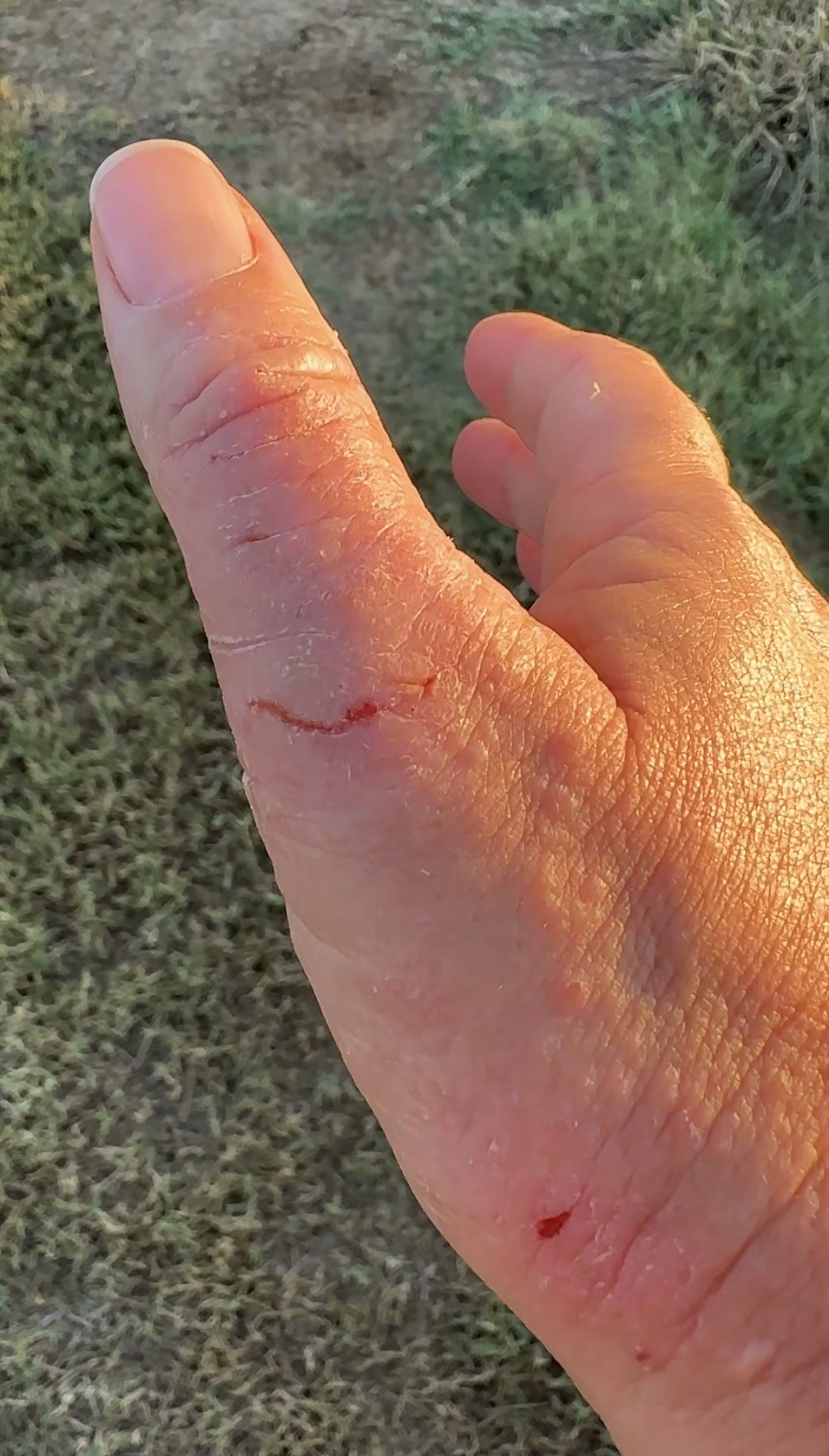
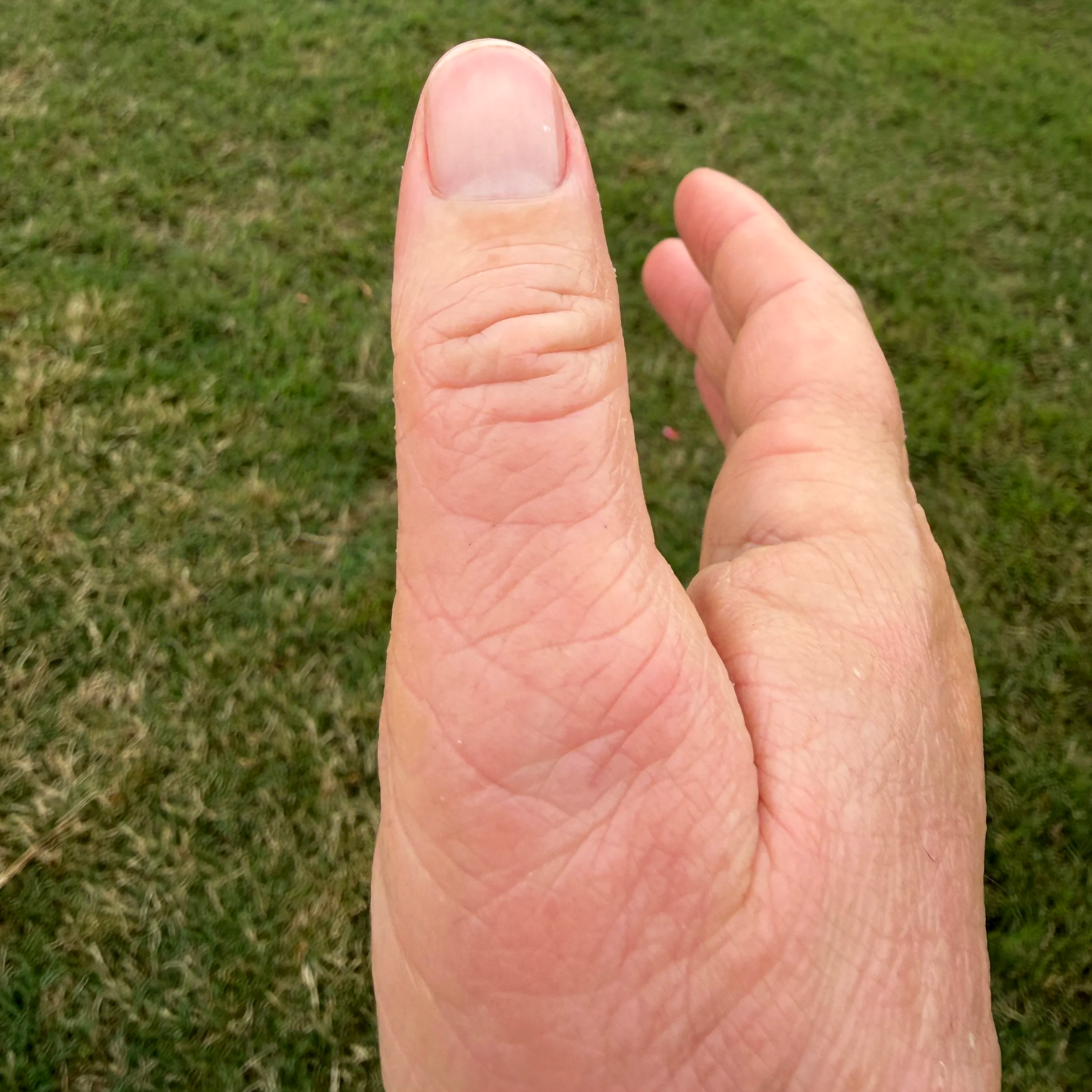
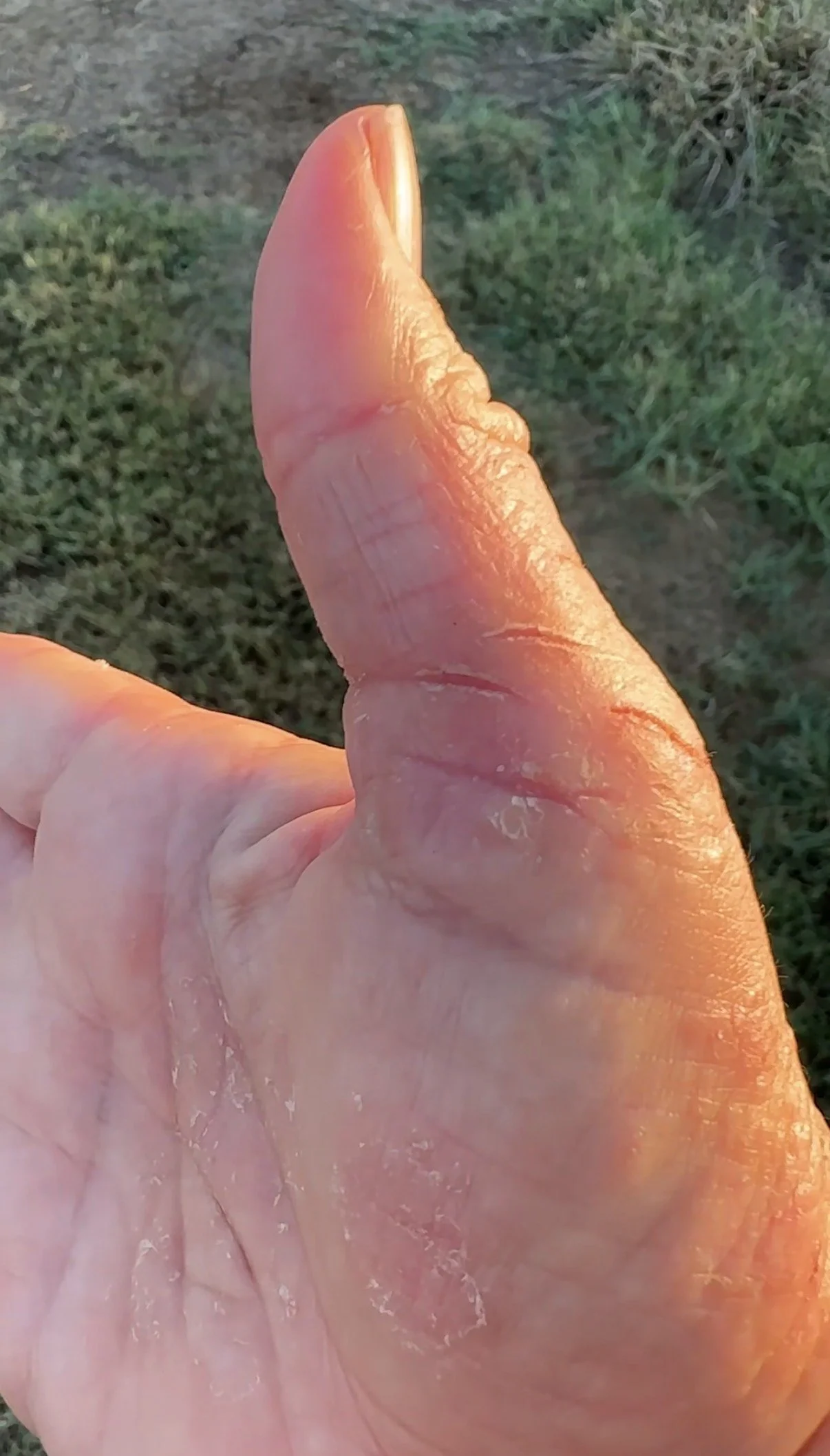
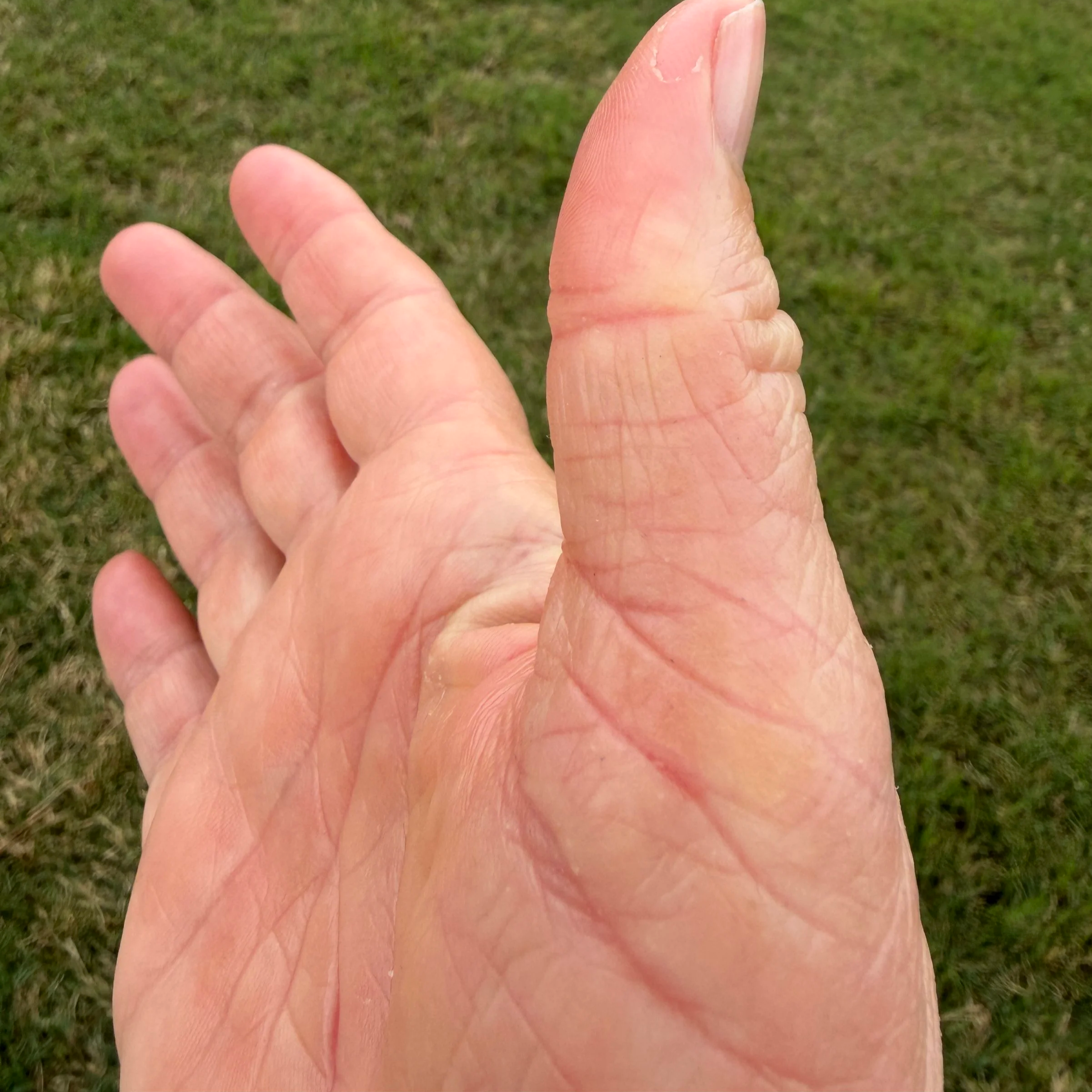
Scroll to the bottom for my before and afters of my hands. I’m not healed yet, I’m working on the inside, but I’m so excited to have some relief and be on the right track. If you’re struggling with the pain, inflammation and embarrassment, then you understand!
I’m going to give you quick links on the photos below for those who don’t want to read all the details. The detail is important but I understand that sometimes, all the information is overwhelming.

Ok, now here’s more information and things that aren’t just a link to purchase:
Red Light Sauna - I have been to the local massage parlor three times now to use their red light sauna and I am honestly impressed with how much it’s helped. It has dried up any raised bumps and provided almost immediate relief to some spots. My hands have it the worst and even those are looking much better today after yesterday’s session. I go for 30 minutes each time but I think even 10 minutes would help. Just be sure you’re working up a good sweat to get the full benefits as that helps drain the lymph system of toxins. This is the one that’s on my list to get for my house as soon as I can swing it.
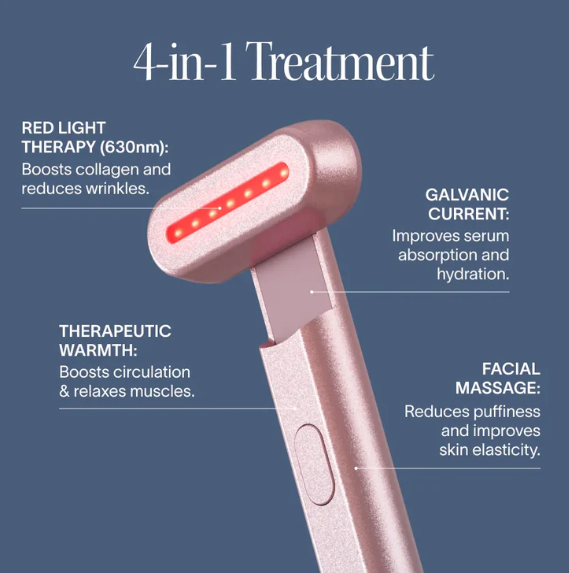
At home I use this Red Light Wand. I got this originally to help with anti-aging but then I realized it should also help with my eczema. I was doing it every night for 3 minutes on each spot and I realized that was too much. I think doing this every other night or a few nights a week would be ideal.
Hydration before moisturization. I use a mix of 1 teaspoon vegetable glycerin with 2 tablespoons distilled water and mix it in one of these little spray bottles. I spray that on my eczema spots and then apply whipped beef tallow lotion to them. I was using my homemade body butter and it was too thick for my eczema spots and wasn’t allowing them to breath. This is honestly the #1 thing I’ve incorporated that seems to have made the fastest difference.
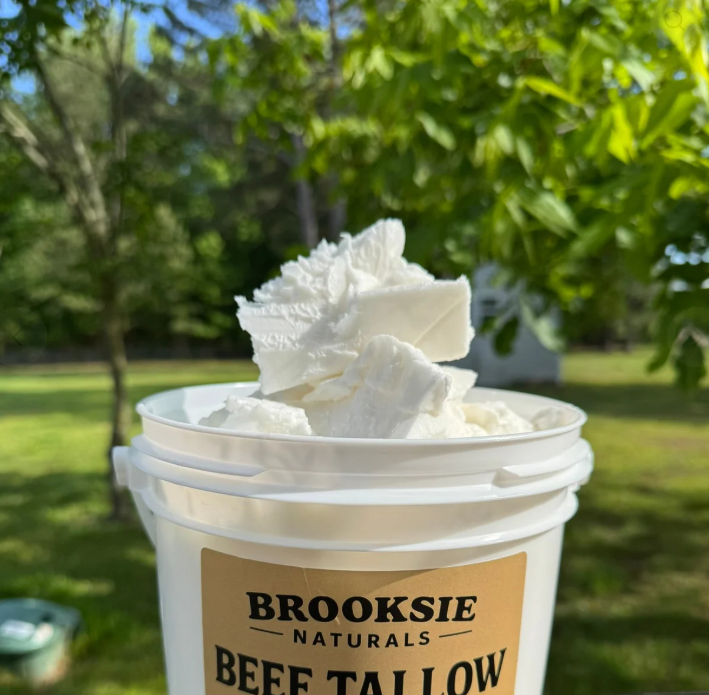
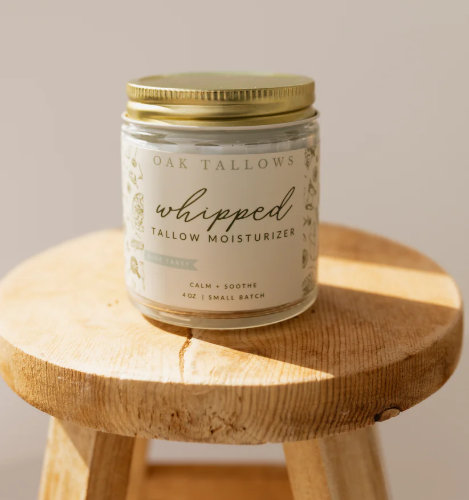
Whipped beef tallow lotion. I have two versions. One I make at home using this awesome beef tallow and jojoba oil - 8oz of beef tallow with .4-.8 oz jojoba oil. Simple and effective. Melt the tallow, add the Jojoba oil. Let cool in fridge and whip it. If you don’t want to make your own, my friend gave me this one from Oak Tallows out of Kearney, NE (where I lived for 25+ years) and it’s been so beneficial for my eczema. I apply the hydrating spray and then the Oak Tallows beef tallow first thing in the morning. And then I use my regular beef tallow whip throughout the day.
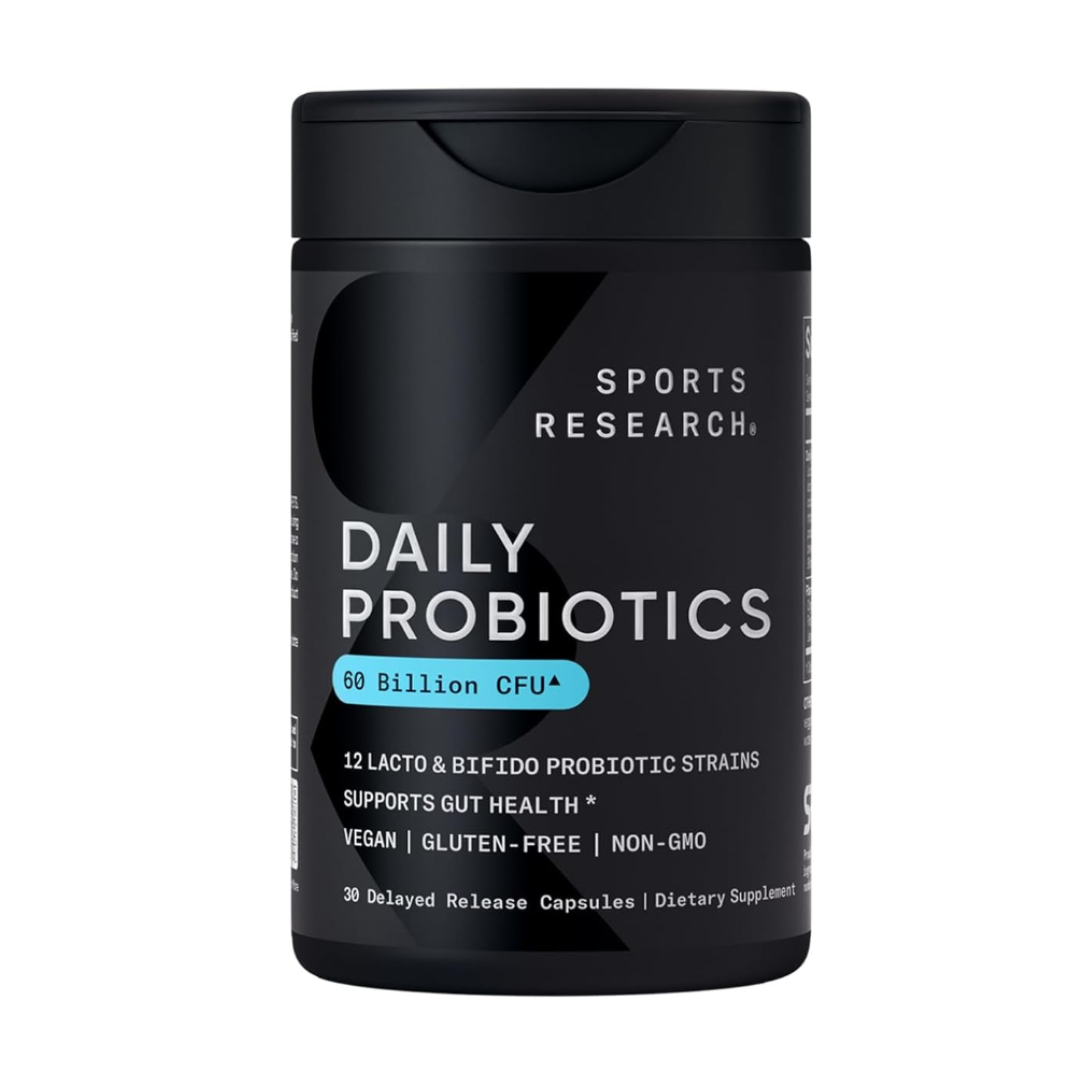
A probiotic that has Lactobacillus Rhamnosus GG (LGG for short) in it (thank you Rachel for cluing me into this!). She recommended this one from Amazon and I’ve only been on it a little over a week but I’m already seeing improvement and I do think this is part of the reason. This particular strain, LGG, works through the gut-skin axis. It’s been shown to help with strengthening the gut lining, balancing bacteria, supporting digestion and immune regulation.
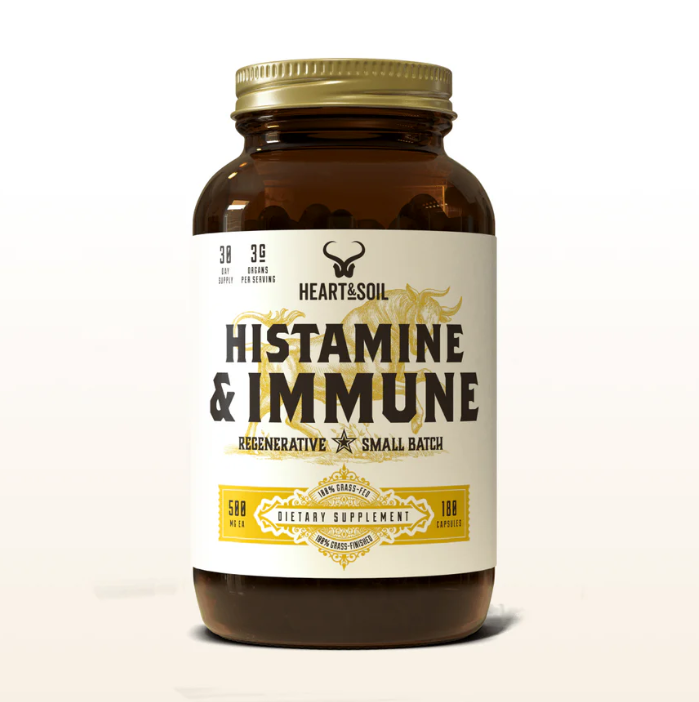
Histamine & Immune Support. Histamine is the compound your body releases when you’re exposed to allergens. But histamine can build up in your body from having a gut imbalance, poor histamine breakdown, chronic stress or eating certain foods that your body reacts to. Your body is supposed to break down histamine using an enzyme called DAO but if this enzyme is weak or low, the histamine builds up. If you notice eczema, flushing (especially when drinking alcohol), headaches, bloating, sensitivity to wine or leftovers - these can all be signs you’re struggling to process the histamine. This Histamine & Immune Support supplement from Heart & Soil is supposed to help support DAO to process histamine, reducing the overload. I’ve bought it, I’m just waiting to incorporate it because I want to see how the probiotic does before I add another thing to my system. I do use the Colostrum from Heart & Soil and love it so I’m sure this is going to help too.
Rebounding. Or jumping on a trampoline, haha! I bought this little rebounder and found some videos on YouTube (I Jump Instead is great) and started jumping. It’s great exercise and gets those endorphins going but it’s also excellent for lymph drainage. Your lymph system collects all the toxins in your body and if you aren’t flushing them out, they get stagnant and can cause illness, skin issues, fatigue, brain fog and numerous other issues. In just 10-20 minutes you’ll feel like a new person! It’s vital that you flush out the toxins.
Avoiding seed oils and processed food. Seed oils are things like Vegetable Oil, Corn Oil, Canola Oil, etc. They’re in pretty much anything you buy that’s already prepared and most restaurants use seed oils. They wreak havoc on your system and cause inflammation, which causes a host of other problems. At home, use cold-pressed, single-source olive oil, avocado oil, butter, ghee or beef tallow to cook with. And anything you can make yourself will help you avoid seed oils.
I also make my own shower gel. If you’re interested, I shared that here. Otherwise, I recommend using a gentle one with as few ingredients as possible, like Cetaphil.
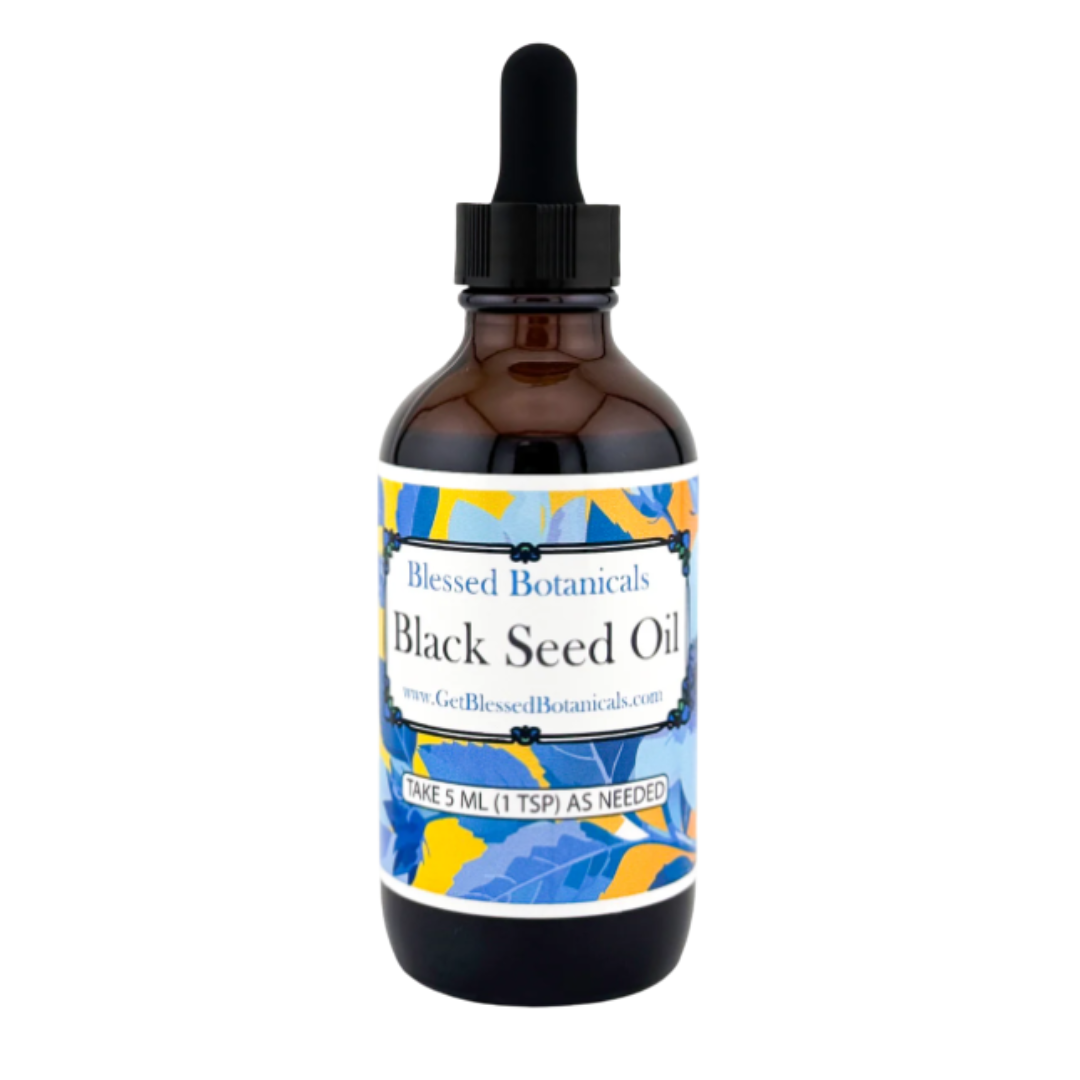
Black Seed Oil can provide some relief both externally and internally. Externally, it has helped me with immediate itching relief and took away that swollen feeling when I’m having a flare. Internally takes longer so I can’t say yet but it has been shown to help lower histamine response. It also just has a ton of other benefits that help with pretty much everything. It tastes really bitter so I just add it to a little bit of orange juice in a shot glass and shoot it and it’s not bad at all. You can also add it to some warm water with a little honey but I don’t usually have time to do that.
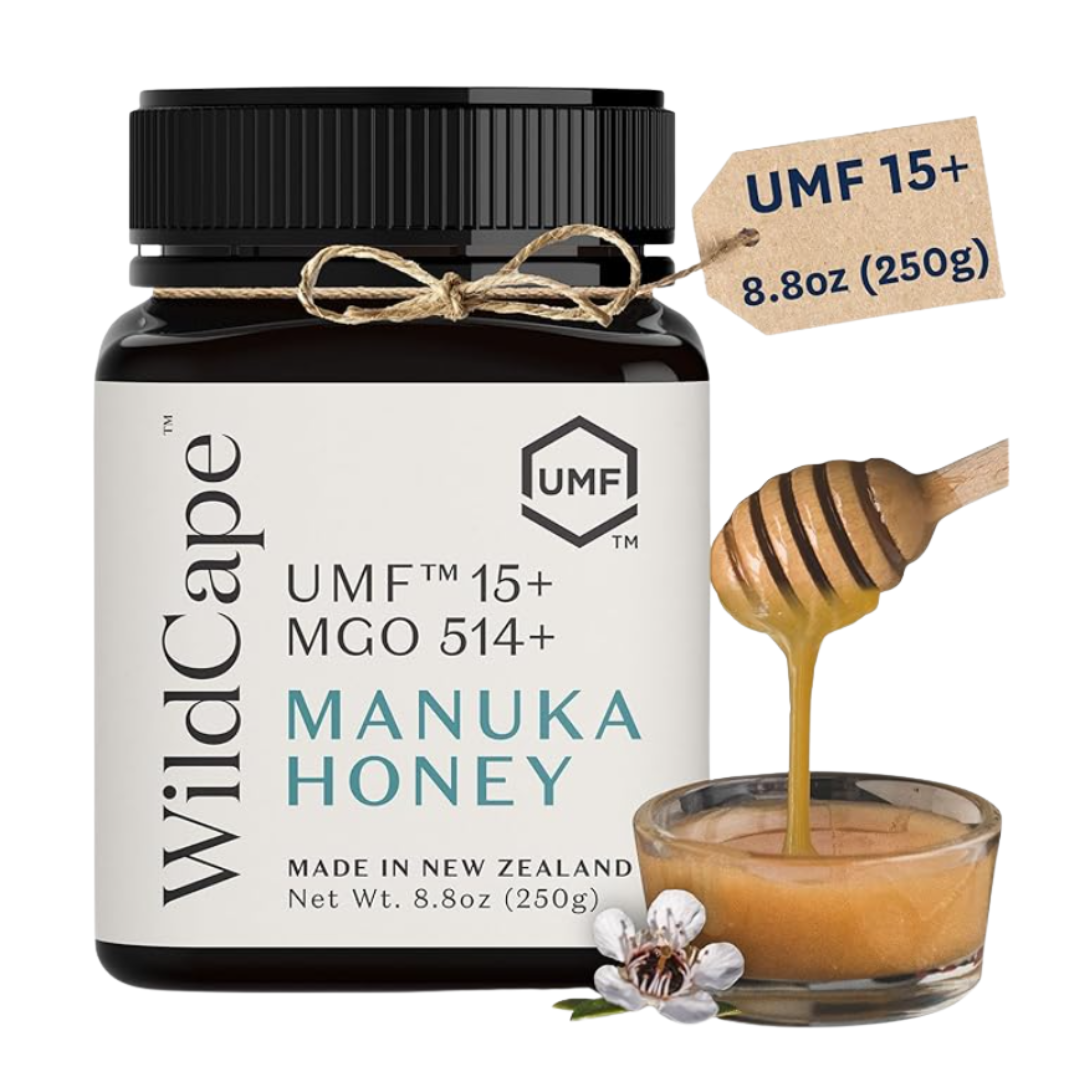
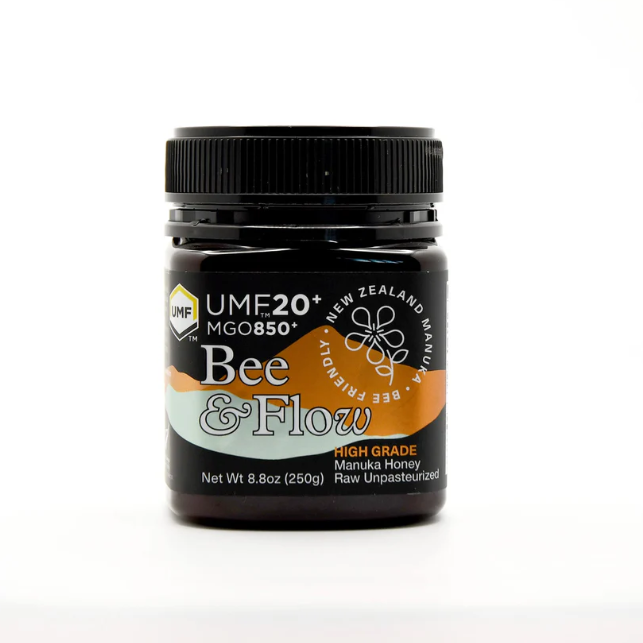
Manuka Honey - The highest MGO number you can get is preferred - that’s the antibacterial potency. I recommend this one from SAMU Manuka from New Zealand. They often run sales so sign up for their emails. But I’ve used this one from Amazon a lot and like it. Trader Joe’s also sells one that’s really inexpensive (a lower MGO) and works if you have a TJs close. If you’re not familiar, Manuka Honey is way more powerful than regular honey. It only comes from the Manuka Tree in New Zealand and is incredibly antibacterial and anti-inflammatory. You use it as a honey mask on your eczema lesions and dry skin. Let it sit for 20+ minutes (you can also get these cotton gloves if you need to use your hands while you do the mask) and rinse. Your hands will not be sticky. The antibacterial agents in it will help fight the Staph and it’s incredibly moisturizing so it soothes and softens. Do this at least once a week, but more would be beneficial.
You can see here the before and afters of my hands with the painful cuts and lesions. I’m still fighting the battle but from where my skin was in October of 2025 to now, April 2026, I’m extremely happy. I still get lesions in the creases of my hands from scratching my skin but it’s few and far between now.
I’ve given a lot of recommendations. Don’t be like me. Pick one, incorporate it and wait 2-4 weeks to incorporate something else. This will help you pinpoint what’s actually helping. And if you’ve found other things that have helped, please comment below. It takes a village to figure this one out and we’re all in it together! I’ll update this as I learn more. Good luck in your healing journey!